
On this page
What to Do If You Suspect a Fracture?
Fractures commonly occur from:
falls onto an outstretched hand
sports accidents (e.g. skiing, cycling)
awkward landings
ankle sprains or heavy impact
Wrist, ankle and foot fractures are often mistaken for “just a sprain” and left untreated.
If you suspect a fracture, it is important to act early.
Signs You May Have a Fracture
significant pain after injury
swelling and bruising
difficulty or inability to move the joint
inability to weight-bear (for foot/ankle injuries)
deformity or unusual positioning
If these symptoms are present, further assessment is required.
First Step: Medical Assessment & Imaging
If a fracture is suspected, you should:
Consult a GP and obtain imaging (such as an X-ray) if required
Early diagnosis ensures:
proper healing
correct alignment
reduced long-term complications
Initial Management: Protection & Immobilisation
Once a fracture is confirmed, the injured area is protected using:
fibreglass cast
splint or brace
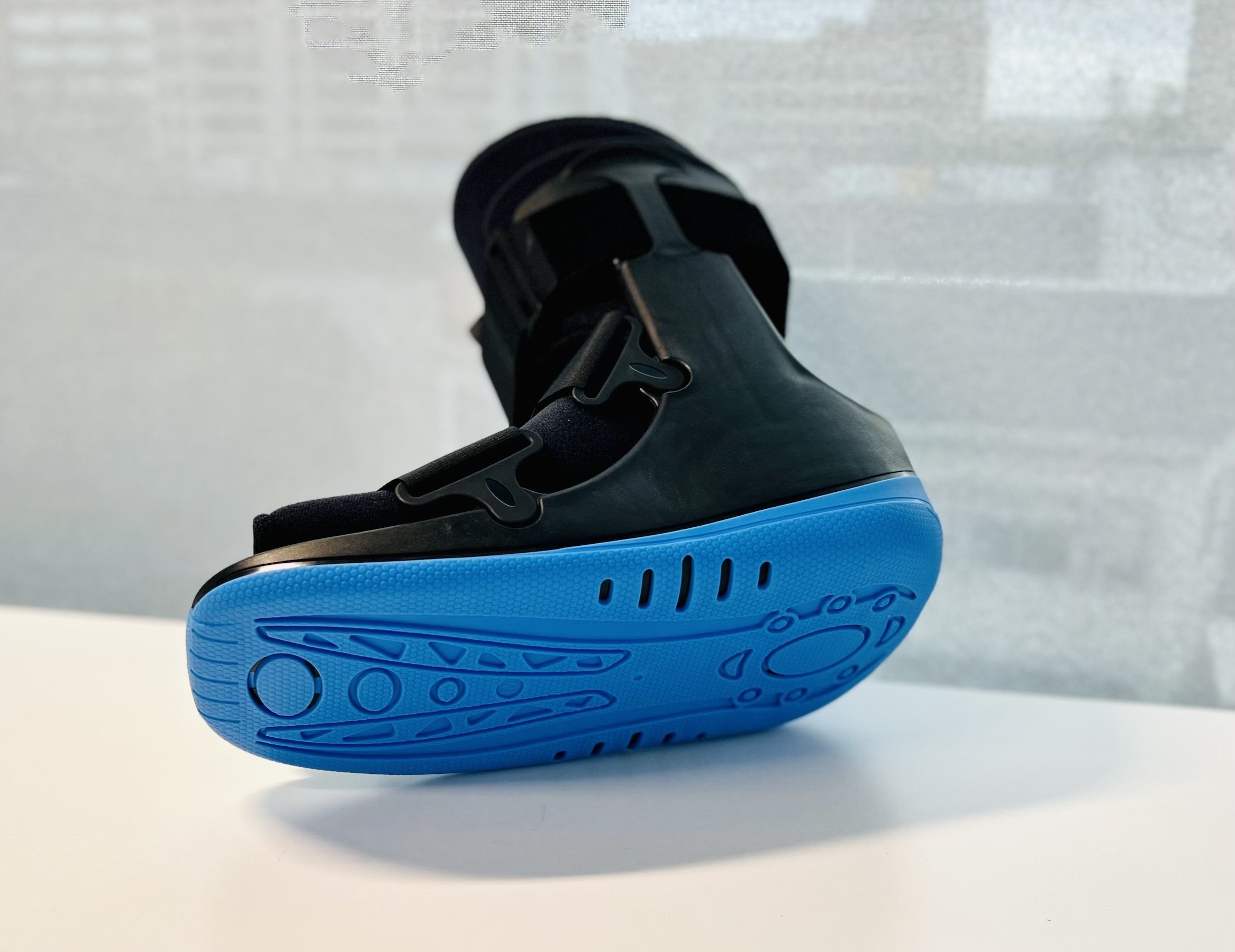
CAM boot (for foot/ankle injuries)
crutches (to offload weight-bearing joints)
Immobilisation typically lasts 6–8 weeks, depending on the fracture
The position of immobilisation is carefully chosen to:
support bone healing
minimise joint stiffness
reduce muscle shortening
What Happens After the Cast Comes Off
Once healing has progressed and imaging shows bone callus formation, the cast or brace is removed.
At this stage, most people experience:
stiffness
weakness
reduced mobility
difficulty returning to normal activity
This is where physiotherapy becomes essential.
Fracture Rehabilitation: The Critical Phase
Recovery does not end when the cast is removed — this is where structured rehabilitation begins.
At Sydney Health Physiotherapy, we guide you through a stage-specific rehabilitation program to restore full function.
Stage 1: Restore Movement
gentle joint mobilisation
range of motion exercises
swelling management
Goal: regain safe and controlled movement
Stage 2: Rebuild Strength
progressive strengthening exercises
muscle reactivation
load tolerance training
Goal: rebuild strength lost during immobilisation
Stage 3: Functional Recovery
weight-bearing progression
balance and coordination training
return-to-work or sport preparation
Goal: restore real-life function and confidence
Why Rehabilitation Matters
Without proper rehabilitation, you may experience:
long-term stiffness
weakness
reduced joint function
higher risk of re-injury
Many patients underestimate this phase and try to “get back to normal” too quickly — this often delays recovery.
Return to Work & Sport
Returning to activity should be guided and progressive.
We help you:
determine safe timelines
gradually reintroduce load
avoid setbacks
build confidence in movement
This is especially important for:
athletes
physically demanding jobs
WorkCover and CTP cases
Why Choose Sydney Health Physiotherapy
Experienced in post-fracture rehabilitation
Structured, stage-based recovery programs
Hands-on treatment combined with exercise progression
Clear guidance on return to work and sport
Strong communication with GPs and insurers when required
Start Your Recovery
If you have recently had a fracture or your cast has just been removed, the right rehabilitation will determine how well you recover.
Book an appointment today and start your structured recovery.