
Home > Injury Rehab Guide > Knee & Lower Limb Injury
Knee & Lower Limb Injury
TREATMENT & REHABILITATION
Knee & Lower Limb
Understanding Knee & Lower Limb Pain
Knee and lower limb pain are common in runners, walkers, hikers and active adults. Symptoms may develop gradually from overuse, or come on suddenly after a change in training, footwear, walking distance, terrain or sport.
At Sydney Health Physiotherapy, we look beyond the painful area. Knee and lower limb problems are often influenced by the way the entire leg functions, including the hip, knee, ankle, foot and running or walking pattern.
Our focus is to reduce pain, restore movement and build the strength and control needed for lasting recovery.
Common Lower Limb Conditions We Treat
Patellofemoral Knee Pain
Pain around the front of the knee is one of the most common complaints in runners. It often worsens with:
running
stairs
squats
jumping
sitting with a bent knee for long periods
Patellofemoral pain is often linked to:
weak hip muscles
poor control of the knee during single-leg tasks
increased training load
poor running mechanics
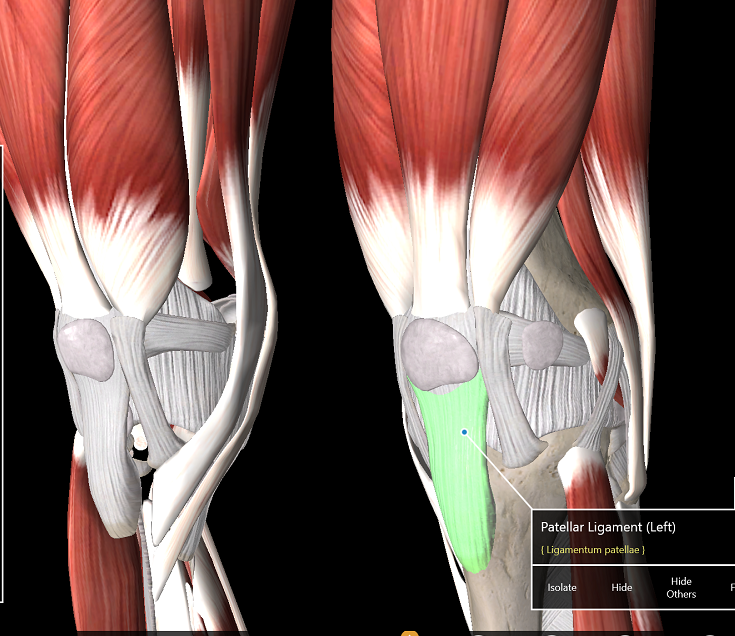
Iliotibial Band (ITB) Syndrome
ITB syndrome commonly causes pain on the outside of the knee, especially during running or long-distance walking.
Contributing factors often include:
weak gluteal muscles
poor running form
poor foot control
sudden increase in training
downhill running or walking
Lateral Hip Pain / Gluteal Tendinopathy
Pain on the outside of the hip can radiate down the outer thigh and is common in hikers and runners.
It is often aggravated by:
side-lying on the painful side
stairs
walking
standing on one leg
crossing legs
This condition responds very well to physiotherapy and progressive strengthening when managed properly.
Ankle Sprains
Ankle sprains are one of the most common sporting injuries and often involve rolling the foot inward.
Symptoms can include:
swelling
bruising
pain with weight-bearing
instability
Without proper rehab, ankle sprains can increase the risk of chronic ankle instability and repeat injury.
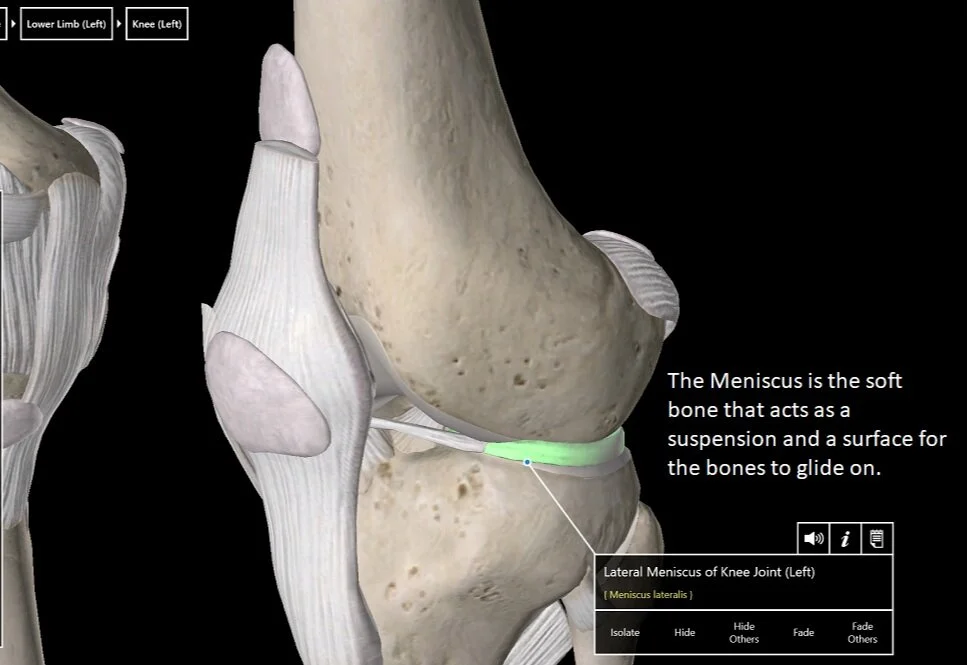
Meniscus-Related Knee Pain
Meniscus injuries may occur from twisting, changing direction, squatting or age-related degeneration.
Symptoms may include:
knee pain
swelling
difficulty bending or straightening
clicking or locking sensations
Many meniscus injuries can improve very well with conservative rehabilitation and do not automatically require surgery.
Why Knee & Lower Limb Pain Happens
Most lower limb injuries are not caused by one factor alone. They usually involve a combination of:
muscle weakness
poor movement control
increased training load
poor recovery
footwear issues
running or walking mechanics
A painful knee or ankle may actually reflect a problem higher or lower in the chain. For example:
weak hips may cause the knee to drop inward
poor ankle control may affect balance and loading
poor foot control may contribute to stress through the leg
That is why a proper assessment is so important.
Our Assessment Approach
We assess how your body moves as a whole, not just the painful joint.
Depending on your condition, we may assess:
squat pattern
step-down control
single-leg balance
gait and walking pattern
running form
hip, knee and ankle alignment
strength and flexibility deficits
For runners and hikers, gair and running video analysis can also help identify movement patterns contributing to overload.
Our Treatment Approach
At Sydney Health Physiotherapy, treatment combines pain relief with long-term rehabilitation.
Hands-On Physiotherapy
Treatment may include:
soft tissue therapy
joint mobilisation
taping
therapeutic needling
compression or swelling management
These help reduce pain, improve mobility and prepare the body for rehabilitation.
Rehabilitation & Strengthening
Long-term recovery depends on improving strength, control and movement quality.
Your program may focus on:
hip and glute strength
quadriceps strength
calf strength
ankle stability
balance and proprioception
running or gait retraining
This helps restore function and reduce the risk of recurrence.
Early Stage Knee Exercise gets you started on recovery. Visit our Exercise Library for more Videos.
Exercise Progression Matters
Lower limb injuries recover best when exercises are progressed properly.
Examples may include:
glute bridges
side-lying hip raises
calf loading
ankle strengthening
single-leg Romanian deadlift drills
step control exercises
running-specific strength drills
The goal is not just pain relief, but restoring the body’s ability to tolerate real-life demands.
Running & Walking Retraining
For runners, changes in running form can significantly reduce stress through the knee and lower limb.
We may guide you on:
increasing cadence
shortening stride length
reducing overstriding
improving posture
keeping the knee and foot aligned more efficiently
For walkers and hikers, we also address:
pacing
terrain modification
footwear
movement habits that aggravate symptoms
Footwear & Load Management
Footwear can influence comfort, running mechanics and symptom load.
We often advise on:
shoe selection
gradual transition into new footwear
avoiding sudden increases in distance or intensity
returning to running or hiking progressively
A common mistake is increasing activity too quickly after pain settles. Recovery works best when loading is increased in a staged and controlled way.
When to Seek Treatment
You should seek assessment if:
pain persists during or after running or walking
stairs, squats or hills are becoming painful
your ankle still feels unstable after a sprain
your hip pain affects sleep or walking
your knee feels swollen, stiff, or mechanically restricted
Early treatment usually means faster recovery and fewer setbacks.
Why Choose Sydney Health Physiotherapy
Experienced in treating running, walking and lower limb injuries
Strong focus on movement analysis and rehabilitation
Hands-on treatment combined with structured exercise progression
Individualised care based on your goals, sport and activity level
Start Your Recovery
If knee, hip, ankle or lower limb pain is affecting your running, walking or daily function, the right treatment and rehab plan can make a major difference.
Book an appointment today and start your structured recovery.
Reference and evidence
Falvey, E., Clark,R., Franklyn‐Miller, A., Bryant, A., Briggs, C.,& McCrory, P. (2010). Iliotibial band syndrome: An examination of theevidence behind a number of treatment options. Scandinavian Journal ofMedicine & Science in Sports,20(4), 580-587.
Lavine R.Iliotibial band friction syndrome. Current Reviews in Musculoskeletal Medicine,2010; 3(1-4) :18–22